Azka amulet
Needful ThingsThe Azka amulet is a silver charm that gives Polly Chalmers a period of striking relief from her chronic arthritis while concealing the danger behind that relief. Leland Gaunt presents it as a remedy, but the improvement is a transfer rather than a cure: the disease moves toward Polly’s heart, and a spider grows inside the hollow charm by feeding on what has been taken from her. When Polly finally breaks the amulet, its apparent promise becomes an immediate threat she must confront herself.
Appearance and Apparent Effect
The charm hangs from a fine silver chain. While Polly wears it, her hands become limber and her joints move freely, an abrupt contrast with the hand pain that has accompanied her for years. The relief is tangible, not simply a claim made by Gaunt: after a night disturbed by his pressure and a storm outside, Polly wakes and finds that her fingers move with ease.
That change gives the amulet its hold over Polly. It offers the bodily comfort she wants, making it harder to treat the object as merely suspicious or to refuse the bargain attached to it. Yet the ease in her hands does not mean her illness has disappeared. Gaunt explains that the charm changes where the arthritis attacks, shifting it from her hands to her heart. The object’s apparent cure is therefore a concealed exchange, not healing.
The Hidden Cost
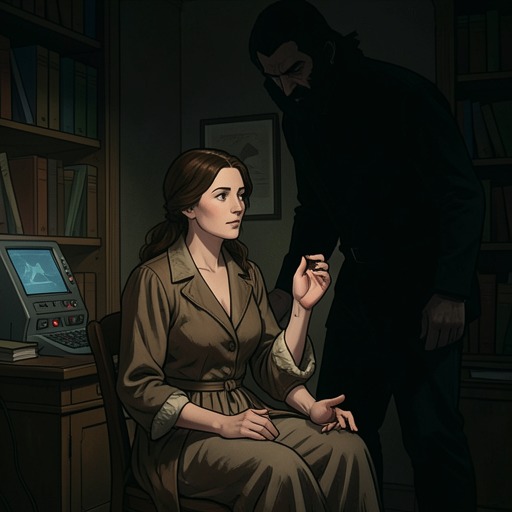
The amulet is not empty. As Polly hesitates over a letter connected to Gaunt’s demands, she feels something moving inside the hollow silver object, warmed by contact with her body. The discovery changes the charm from a source of relief into evidence of the bargain’s physical cost: something living has been contained against her, even as her hands have grown more comfortable.
Gaunt’s influence intensifies the conflict. He urges Polly to comply and warns that it is not too late, while she faces the return of the pain in her hands. The amulet thus joins two forms of pressure: a real reprieve from chronic pain and the fear that refusing Gaunt will bring the pain back. Its promise keeps its danger close to Polly’s body, turning an intimate object of comfort into an instrument of control.
Breaking the Charm
Polly eventually rejects the pride and submission bound up in the bargain. She tears the amulet from her neck and crushes it in her fist. The chain whips as the charm cracks, and she throws it across the room. Once it hits the wall and splits open, the concealed spider emerges. The action that frees Polly from the charm’s hold also releases the creature that the charm had contained.
The break brings the pain back into her hands, but Polly recognizes that it is less severe than she had feared. That recognition matters: she can endure the pain rather than keep the apparent cure at the price Gaunt has set. The charm’s power over her is broken, but the danger does not end with the bargain. The freed spider grows as it moves through the room, and Polly pursues it, understanding that she has to kill it before it becomes larger still.
Meaning and Consequences
The amulet’s reversal is built into its function. It first appears to make Polly’s body easier to live in, but its relief conceals disease displaced toward her heart and a creature feeding within the silver shell. The visible improvement encourages trust; the hidden contents make that trust perilous. Once the charm is cracked, its material construction—hollow, breakable, and holding something alive—becomes impossible to ignore.
Its destruction is both a refusal and a turning point. Polly chooses the return of pain over Gaunt’s terms, and the broken charm exposes the physical threat those terms had concealed. But escape from the object does not remove every consequence: Polly must confront the spider it releases. The amulet therefore makes the cost of a false cure concrete, linking temporary relief, coercive leverage, and a danger that persists after the bargain is rejected.